Smarter Trade, Stronger Supply: Why Regionalisation Must Be Pre-Agreed, Not Reactive
On 15 May 2025, South African meat importers and producers awoke to news that an outbreak of Highly Pathogenic Avian Influenza (HPAI) in Brazil’s Rio Grande do Sul province had triggered a blanket ban on all imports from the country. What followed was a month-long engagement between South African and Brazilian authorities to fast-track regionalisation […]
On 15 May 2025, South African meat importers and producers awoke to news that an outbreak of Highly Pathogenic Avian Influenza (HPAI) in Brazil’s Rio Grande do Sul province had triggered a blanket ban on all imports from the country. What followed was a month-long engagement between South African and Brazilian authorities to fast-track regionalisation agreements that should already have been in place.
The consequences were immediate: supply disruptions, rising prices, and risk to both jobs and food security. Brazil, the world’s largest producer of mechanically deboned meat (MDM), is a cornerstone of South Africa’s affordable protein supply—particularly for lower-income households.
This episode was not an anomaly. According to the Africa Centre for Disease Control and Prevention, animal disease outbreaks are expected to become more frequent and severe, driven by climate change, globalised trade, and intensified human-animal interaction. The risk is structural, not cyclical.
Against this backdrop, imports play a critical role as a strategic stabiliser in global food systems, helping countries absorb shocks, smooth supply, and maintain affordability.
Regionalisation: From Principle to Practice
Regionalisation—the practice of limiting trade restrictions to affected zones rather than entire countries—is already recognised by the World Organisation for Animal Health and embedded in frameworks of the World Trade Organisation.
Yet in practice, it is too often negotiated during crises rather than before them. This reactive approach undermines its very purpose – to mitigate the risk of value chain disruption.
The Strategic Role of European Partners
South Africa’s trade relationship with Europe, including under the SADC–EU Economic Partnership Agreement, positions European suppliers as critical partners in building resilient meat value chains.
European producers bring advanced traceability systems, strong veterinary governance, and regulatory credibility. But the opportunity now is to move beyond passive support for regionalisation toward active co-development of operational frameworks.
Pro-active action is critical
European partners should take a proactive stance by working with South Africa to:
- Co-develop pre-agreed regionalisation protocols
- Define clear zoning, certification, and communication standards
- Establish mutual recognition systems before outbreaks occur
This shifts regionalisation from a theoretical safeguard to a practical, ready-to-deploy mechanism.
Why This Matters
A proactive regionalisation framework delivers three critical benefits:
1. Continuity of Supply
Avoids total shutdowns by allowing unaffected regions to continue exporting.
2. Price Stability
Prevents artificial scarcity and inflationary spikes in essential protein products.
3. Systemic Trust
Strengthens confidence through transparent, aligned standards and shared data.
SIAL as a Platform for Action
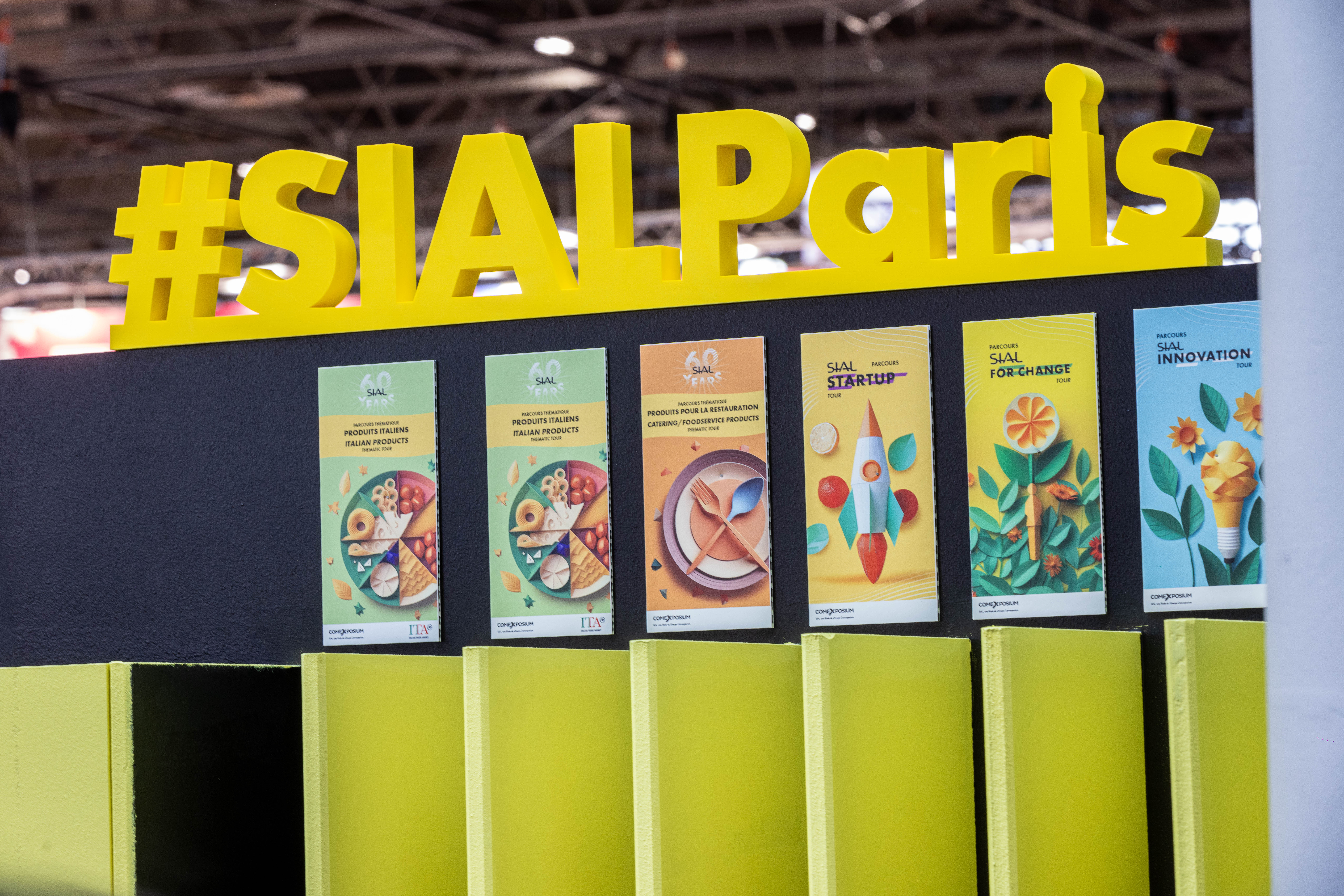
The upcoming SIAL Paris, in France, provides a timely and practical platform to advance these discussions. It brings together policymakers, exporters, and importers in one space—creating an opportunity to move from concept to coordination.
Rather than treating SIAL as a showcase, stakeholders should use it as a working forum to initiate bilateral and multilateral agreements, pilot frameworks, and formalise partnerships. The SIAL Summit and talks aim to cover topics such as climate change and sustainable value chains. The platform and timing are right to connect and innovate towards more robust value chains.
What Needs to Happen Next
To operationalise regionalisation, the following steps are critical:
- Pre-negotiated agreements
Regionalization protocols must be agreed in advance, not during emergencies. European countries are high on South African importers’ priority list to facilitate the process and secure agreements. - Aligned certification systems
Harmonised veterinary and export certification to ensure rapid acceptance during outbreaks and procedures that promote equivalent standards between local and imported meat. - Joint risk frameworks
Shared methodologies and standard operating procedures for assessing and responding to disease risks. - Digital traceability investment
Real-time data systems to track origin, movement, and containment zones. - Ongoing bilateral engagement
Structured dialogue between regulators, industry bodies, and trade partners.
A Strategic Imperative for Food Security
Resilient meat supply chains are no longer optional—they are foundational to global food security. Regionalisation is not merely a technical trade mechanism; it is a strategic tool for managing systemic risk in an interconnected world. By supporting South African importers and committing to these agreements, European suppliers can help build a more stable, responsive, and sustainable meat supply chain that benefits all parties.
The choice is clear:
Pre-agree and prepare, or react and absorb the shock.
Trade tariffs will not stop global trade—but animal disease outbreaks can. They are fast becoming the defining non-tariff barrier of modern food systems.
Regionalisation, therefore, is no longer a policy preference.
It is a strategic imperative.
May interest you